

JANUARY 12, 2026
How to Reduce Heat in Homes with the Right Doors and Windows
In warm climates, excessive indoor heat can affect comfort, increase cooling costs, and reduce the overall efficiency of a home. While many homeowners focus on roofing, insulation, or air conditioning, doors and windows also play a major role in heat transfer. Choosing the right systems can help minimize solar heat gain, improve ventilation, and support a cooler indoor environment.
Understand How Heat Enters Through Doors and Windows
Heat often enters a home through glass surfaces, poorly insulated frames, and gaps around openings. Large expanses of glazing exposed to direct sunlight can increase solar heat gain, while low-quality framing systems may transfer outdoor heat indoors.
This is why selecting high performance doors and windows is not only about appearance, but also about controlling temperature and improving comfort.
Choose Thermal Break Systems for Better Insulation
Thermal break aluminium doors and windows are designed to reduce heat transfer between exterior and interior environments. By separating the interior and exterior aluminium profiles with an insulating barrier, these systems help improve thermal performance.
For homes in tropical climates, thermal break technology can contribute to a more stable indoor temperature and reduce dependence on mechanical cooling.

Use the Right Glazing to Reduce Solar Heat Gain
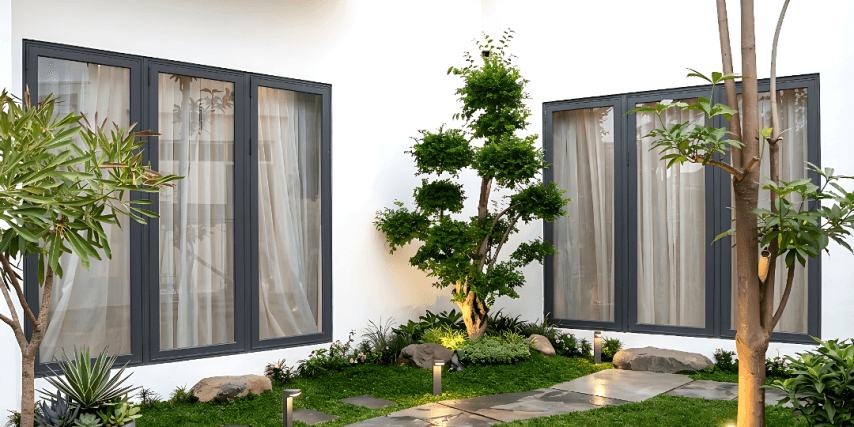
Glass specification has a major impact on indoor heat control. Performance glazing options such as double glazing or Low-E glass can help reduce the amount of solar radiation entering the home while still allowing natural light.
Selecting the appropriate glazing can help lower heat buildup, improve comfort, and support long-term energy efficiency.
Consider Ventilation and Opening Configurations
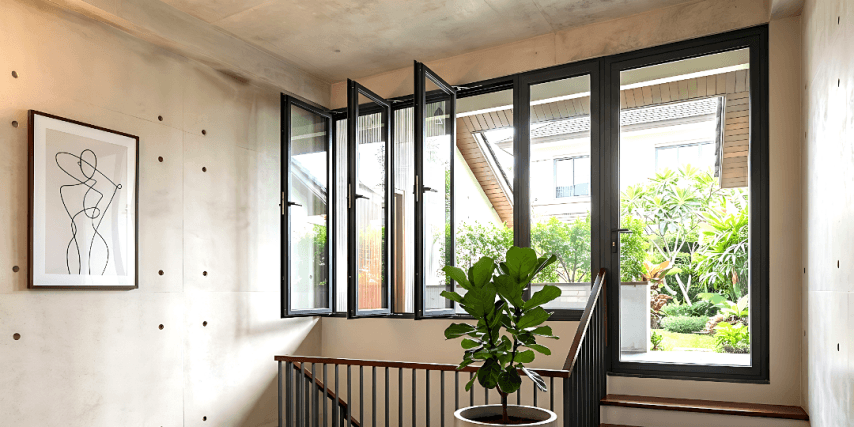
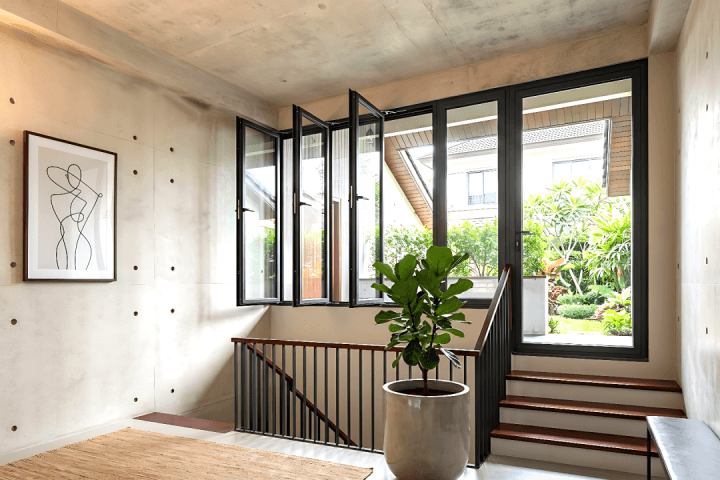
Reducing heat is not only about blocking it, but also managing airflow. Properly designed doors and windows can support natural cross ventilation, allowing warm air to escape while drawing cooler air into the home.
Casement windows, operable systems, and strategically placed openings can improve airflow and contribute to passive cooling.


Select Frame Designs That Support Performance
Frame design also influences heat control. Slim but well-engineered frames can support larger glass areas while maintaining structural and thermal performance. When combined with high quality seals, proper installation, and durable finishes, well-designed frames contribute to long-term efficiency and weather resistance.
Design Doors and Windows for Tropical Architecture
Homes in tropical environments benefit from solutions designed specifically for local climate conditions. Shading, orientation, glazing performance, and material selection all work together to reduce heat exposure.
Doors and windows designed for tropical architecture can help balance natural light, ventilation, and temperature control without compromising design.


Invest in Long-Term Comfort and Energy Efficiency
Reducing indoor heat starts with making informed decisions about building components. High performance doors and windows can help improve comfort, support energy efficiency, and enhance the overall performance of a home over time.
With the right systems in place, homeowners can create cooler, more comfortable living spaces while supporting a more efficient building envelope.
Contact the FENSTELA team today to consult and find the best sliding door solution for your home.