

January 12, 2026
The Difference Between Standard Sliding and Sliding Casement Systems
In planning aluminium doors for residential and commercial buildings, the choice of opening system is one of the important factors that often determines the comfort and performance of a space. The two most commonly used systems are regular sliding and sliding casement. At first glance, the two look similar because they both use a sliding mechanism, but in terms of function and performance, they have significant differences.
Understanding these differences will help you determine the aluminium door system that best suits your design and space requirements.
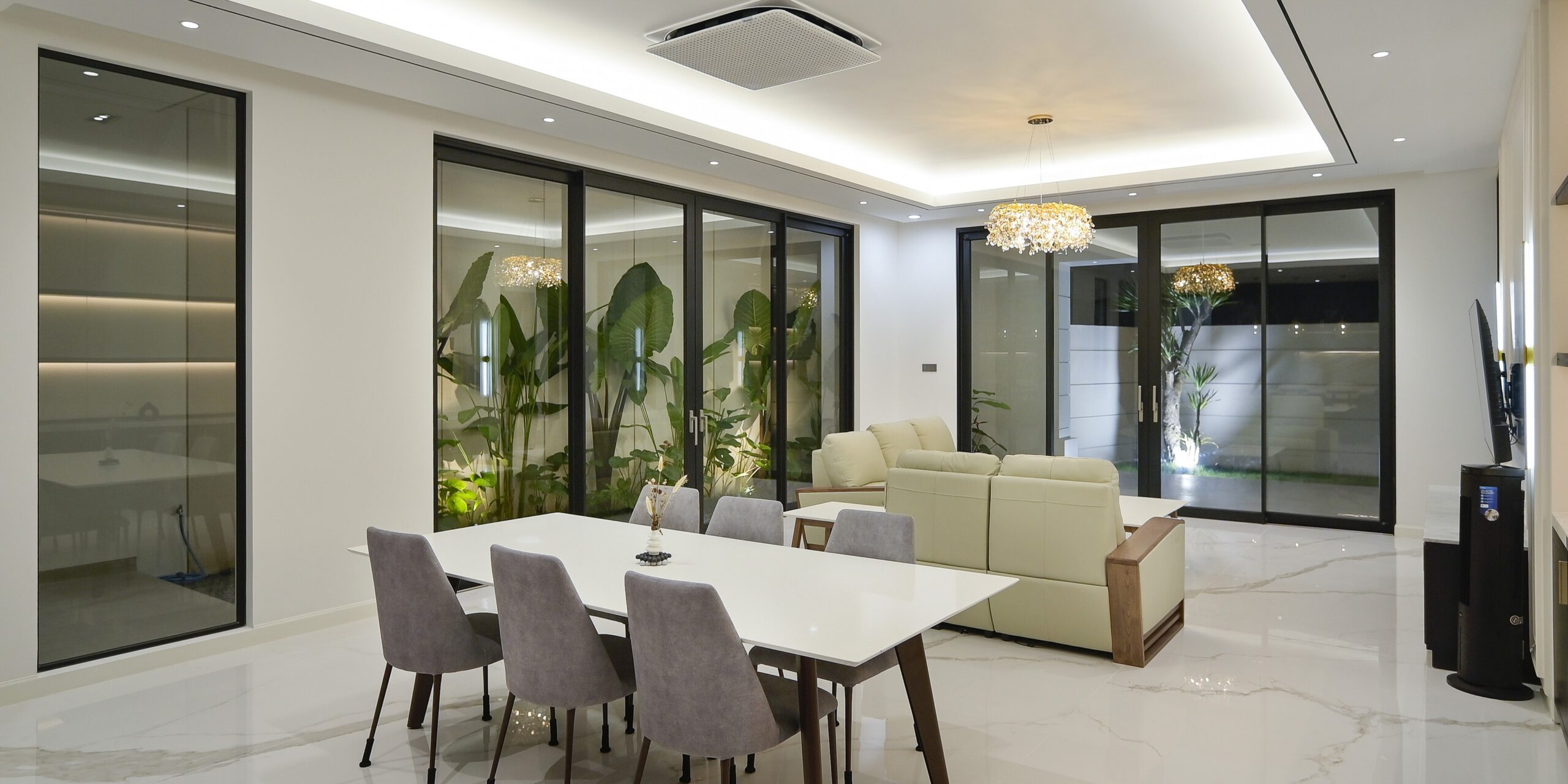
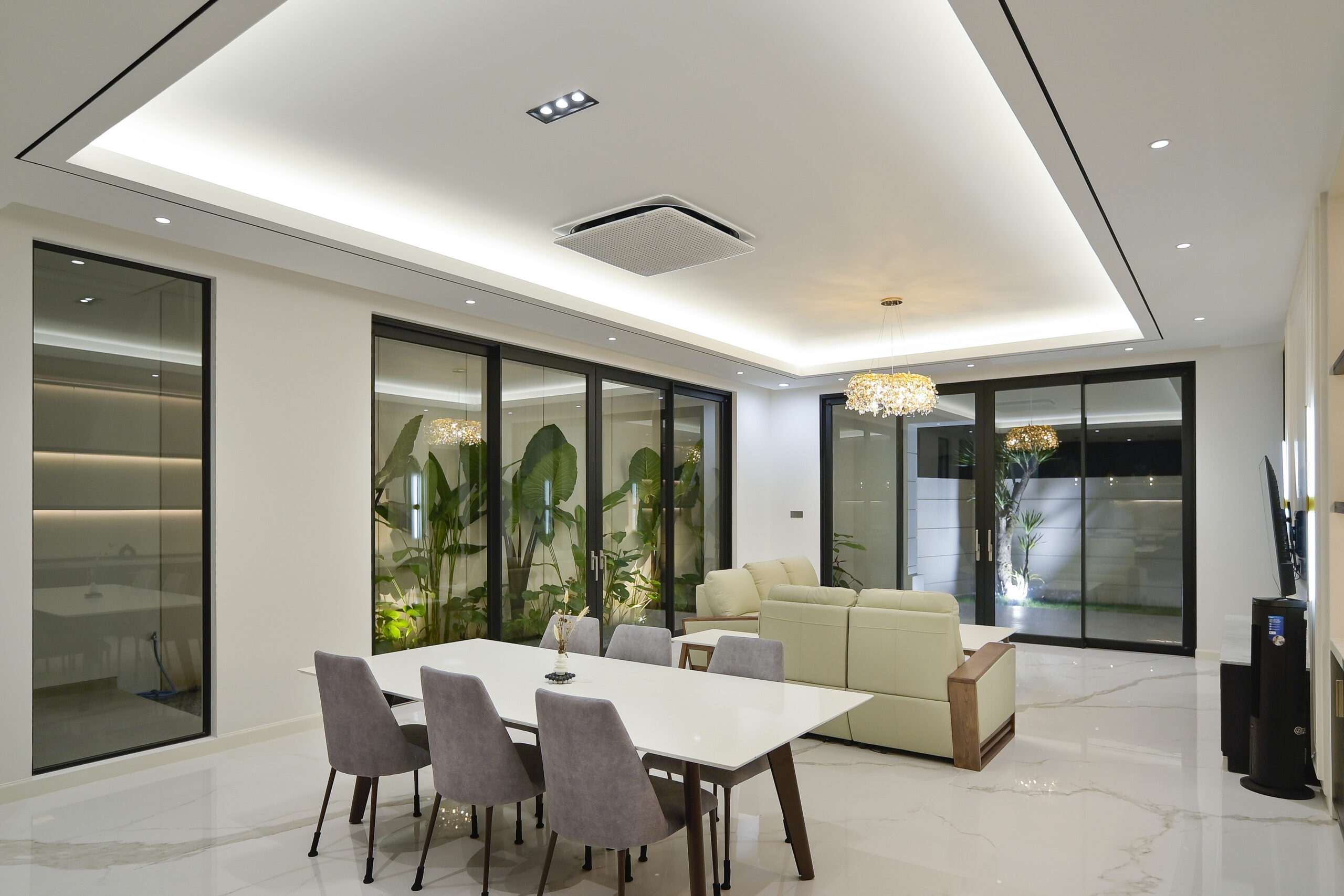
Definition of the Standard Sliding System
The standard sliding system is an aluminium door that operates by sliding horizontally along a track. When closed, the door panel remains aligned with the frame without applying additional pressure to the structure. This mechanism allows the door to open and close smoothly and efficiently, while also saving space as it does not require a swing area.
Standard sliding systems are widely used in modern residential designs due to their practical and flexible nature. This system is well suited for semi-outdoor areas such as terraces, balconies, or as a connection between indoor and outdoor spaces, where airtightness and water tightness are not the primary priorities.
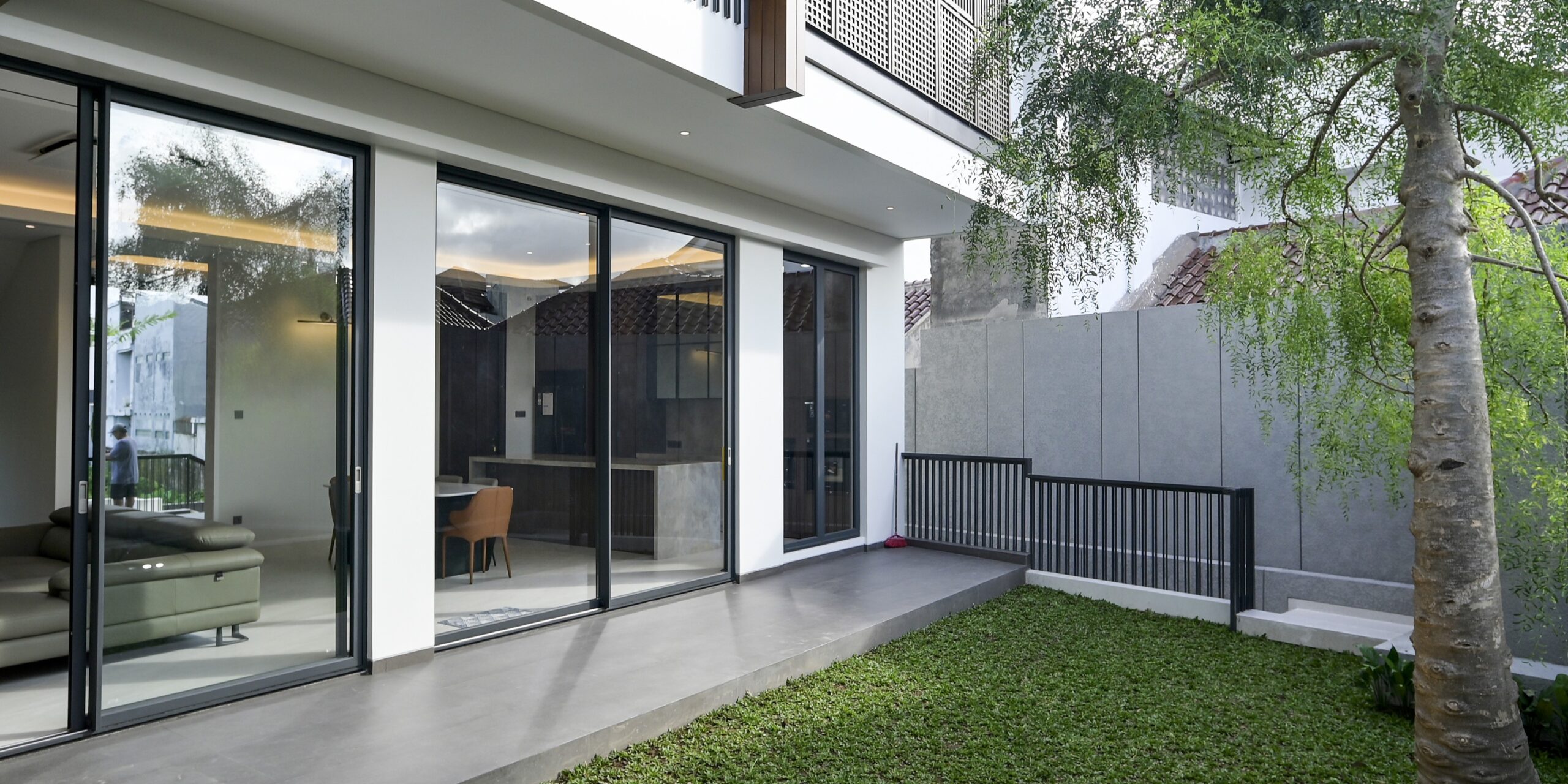
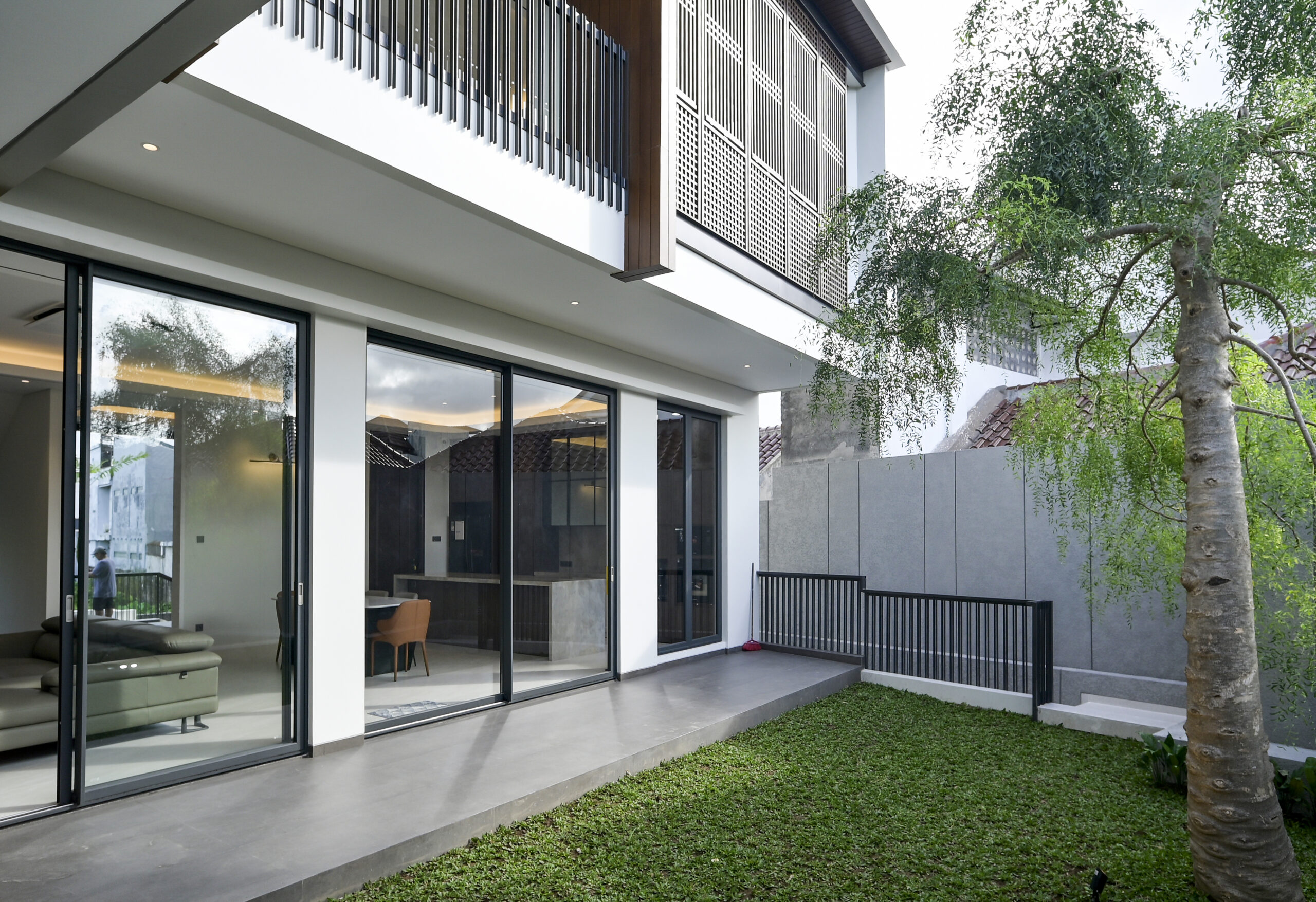
Definition of the Sliding Casement System
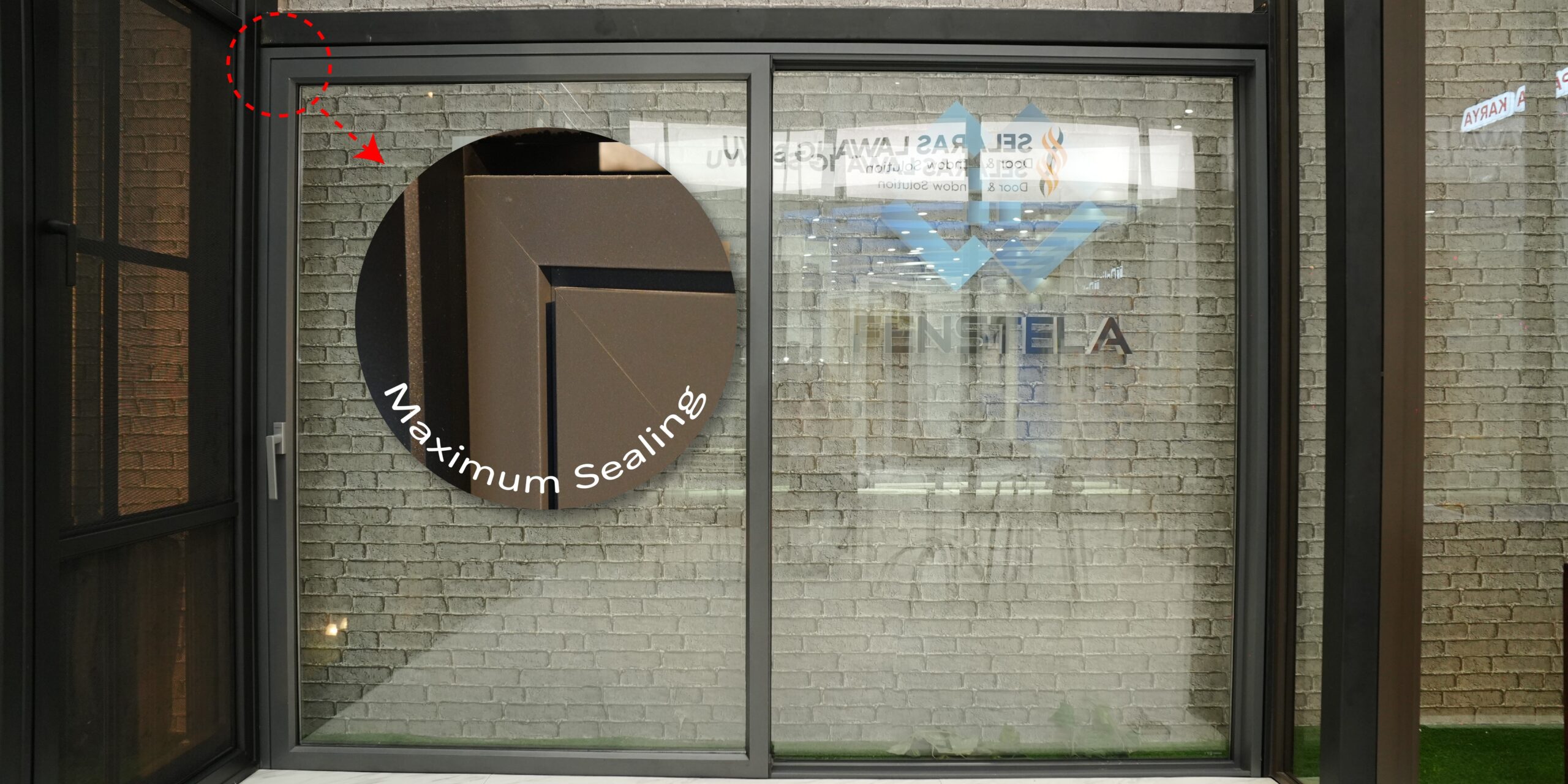
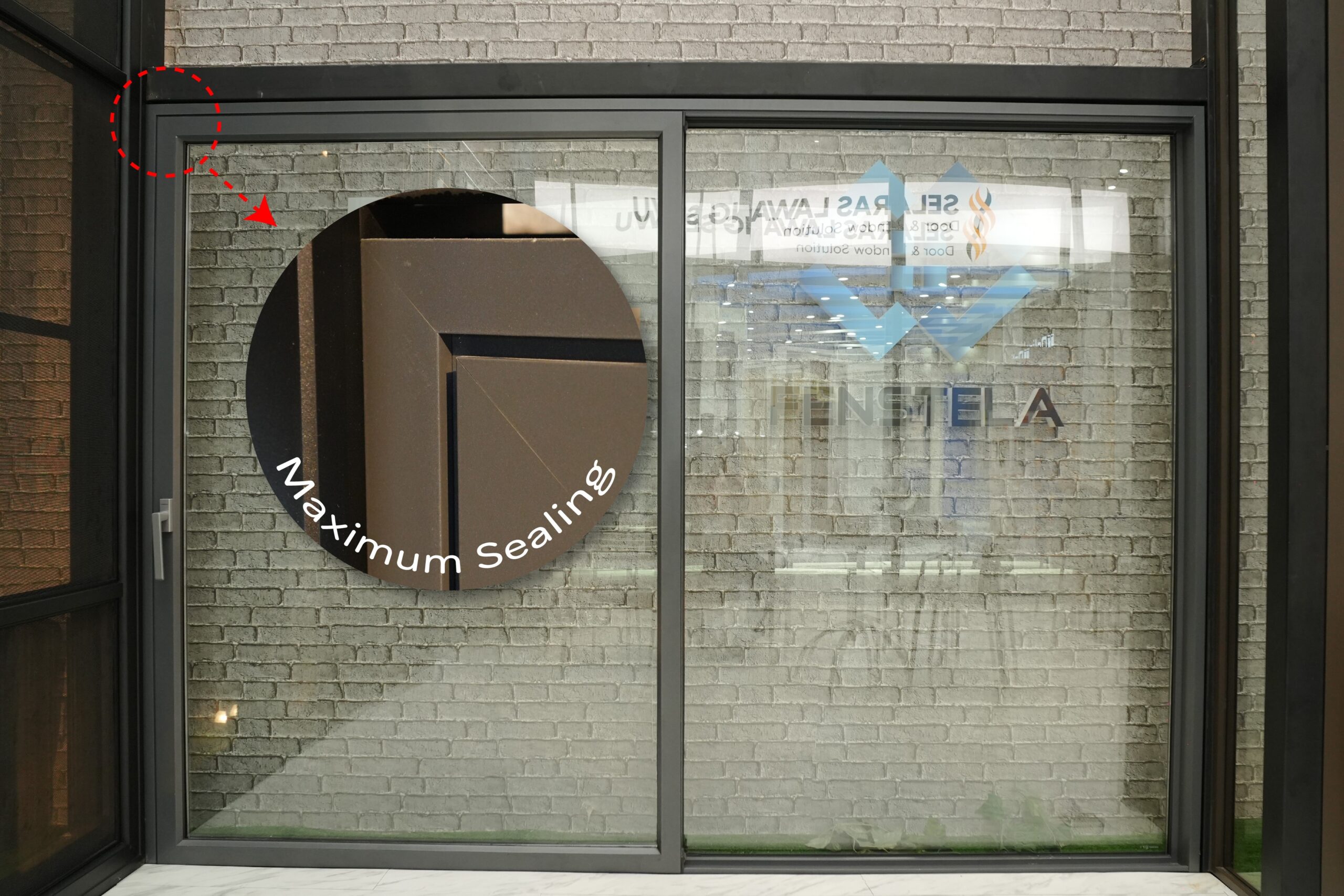
The sliding casement system is an advanced development of the conventional sliding system. In addition to sliding, the door panel presses against the frame when in the closed position, resulting in a tighter and more stable seal. This mechanism enhances door performance, particularly in terms of air, water, and dust tightness.
The sliding casement system is commonly used in modern residences with higher comfort standards, especially for air-conditioned spaces or areas that require optimal indoor environmental control. From a construction standpoint, this system also feels more solid and robust.
Conclusion
Both standard sliding and sliding casement systems have their own advantages, depending on the spatial requirements and function of the building. Standard sliding offers practicality and ease of use, while sliding casement excels in sealing performance and indoor comfort. By understanding the differences between these two systems, you can choose the most suitable aluminium door to support the overall design and quality of the building.